
The internet has made it easier than ever to explore online platforms, access digital entertainment, and discover new services. However, as the number of online platforms continues to grow, users must also become more careful about where they spend their time and share their personal information.
Not every website that looks professional is trustworthy. Some websites use attractive designs, promotional offers, and impressive promises to convince visitors to register or share sensitive information. Unfortunately, users may discover the risks only after experiencing problems with their accounts, payments, or personal data.
Whether you are exploring an entertainment website, researching an online gaming platform, or comparing different digital services, knowing how to identify suspicious websites is essential.
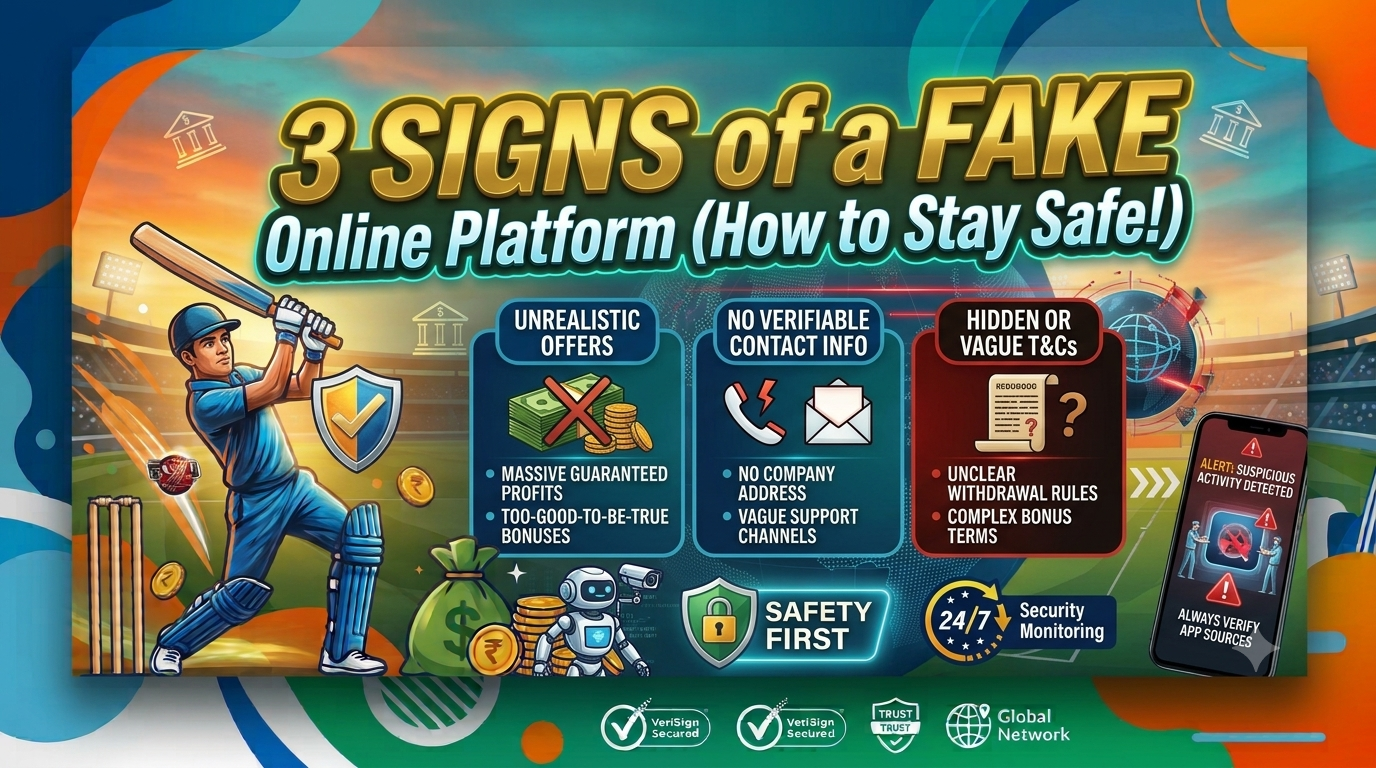
In this guide, we will explain three important warning signs of a fake online platform, show you how to recognize potential risks, and share practical steps you can take to protect yourself. We will also explain how users can apply these checks when researching platforms such as Crickso.
Why Is It Important to Identify Fake Online Platforms?
A fake or misleading website can expose users to several risks, including financial loss, identity theft, phishing attacks, and unauthorized access to personal information.
Some suspicious websites imitate established brands, while others advertise unrealistic rewards or claim to offer services that they cannot reliably deliver. A professional-looking homepage, an attractive bonus, or a large number of promotional messages does not automatically prove that a platform is legitimate.
Before using any online service, take a moment to investigate its identity, policies, reputation, and security practices.
Let’s look at the three most important warning signs.
1. Unrealistic Offers and Promises That Sound Too Good to Be True
One of the most common warning signs of a potentially fraudulent platform is an offer that appears unusually generous without clear conditions.
You might come across websites promising guaranteed profits, unlimited rewards, unusually large bonuses, or instant financial benefits. These claims can create excitement and encourage people to act before checking the details.
However, legitimate services should explain their offers clearly and provide terms that users can review before making a decision.
What Should You Look Out For?
Pay attention to the following warning signs:
- Guaranteed returns: A website promises guaranteed profits from activities that involve financial risk.
- Unclear bonus conditions: Promotional offers are advertised prominently, but important restrictions are difficult to find.
- Pressure to act immediately: Messages insist that you must deposit money or register immediately to avoid missing an opportunity.
- Unexpected payment requests: A website asks for additional payments to unlock rewards without providing a clear, verifiable explanation.
- Changing conditions: The platform changes its promotional requirements or gives conflicting information about eligibility.
These signs do not automatically prove that a website is fraudulent, but they are reasons to investigate further.
How Does This Apply to Crickso?
When researching Crickso or any other online entertainment platform, users should review the available promotional terms carefully before participating.
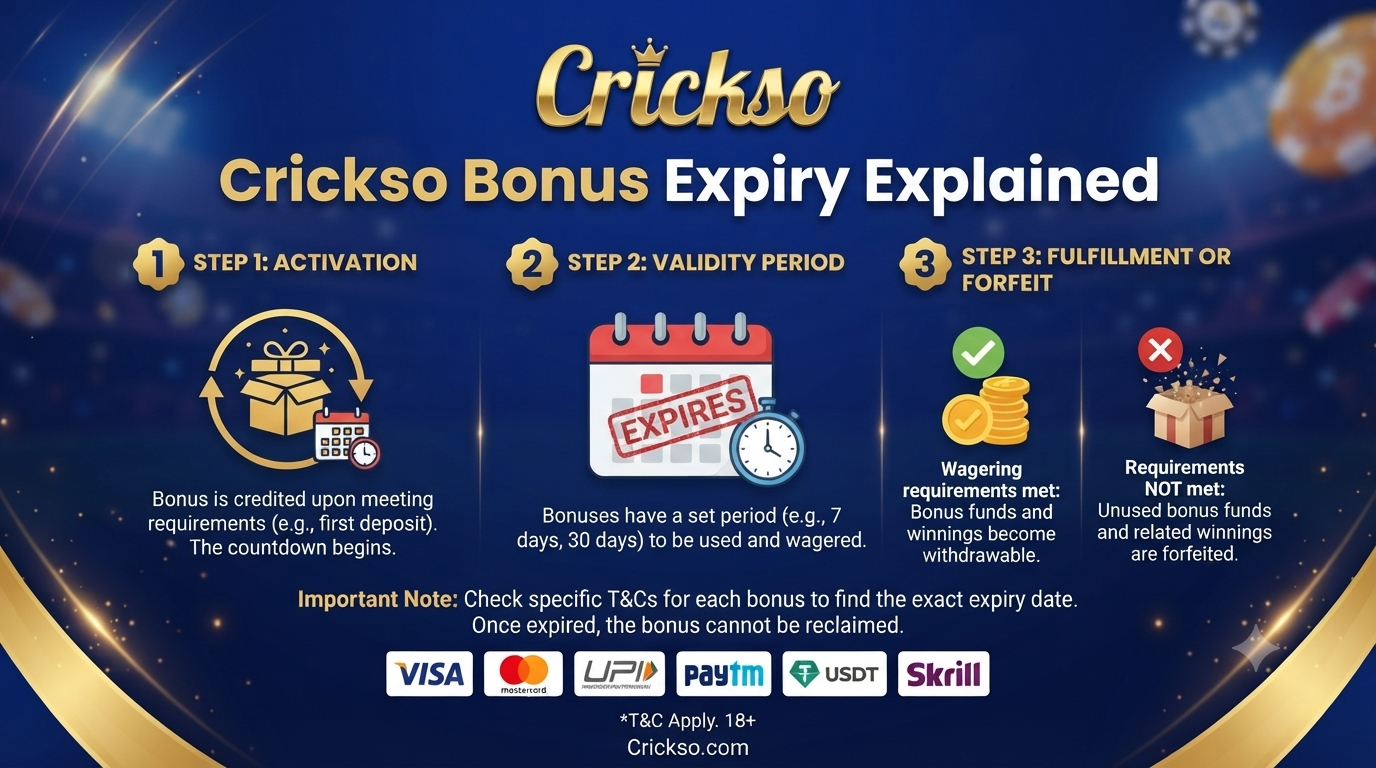
For example, if you encounter a welcome bonus or another promotional offer, check the eligibility requirements, minimum deposit conditions, wagering requirements where applicable, expiry dates, and withdrawal restrictions.
Do not make a deposit simply because an advertisement promises a large reward. First, make sure you understand the conditions and can verify that the offer applies to your account.
Safety tip: Never treat a bonus, discount, or promotional reward as guaranteed income. If the terms are unclear, seek clarification before proceeding.
2. Missing Company Information, Unclear Policies, or Suspicious Website Details
Another important warning sign is a website that provides little reliable information about who operates it.
A suspicious platform may have an attractive design, several product pages, and convincing promotional content. However, when you try to find its ownership details, customer support information, terms of service, or privacy policy, the information may be missing, incomplete, or inconsistent.
This makes it difficult for users to understand who is responsible for the service or how complaints will be handled.
Check These Details Before Trusting a Website
A. Verify the website address
Check the domain name carefully before entering personal information.
Fraudulent websites sometimes use addresses that closely resemble those of established brands. A small spelling difference, an additional word, or an unfamiliar domain extension can make a copied website appear genuine.
Always confirm that you are visiting the intended website rather than a similarly named alternative.
B. Review the privacy policy
A privacy policy should explain what information the platform collects, how it is used, and whether it is shared with other parties.
Be cautious if the policy is missing, difficult to understand, or inconsistent with the information requested during registration.
C. Look for clear terms and conditions
The terms should explain the rules governing the service, including account responsibilities, applicable restrictions, dispute procedures, and relevant payment conditions.
For gaming or betting-related platforms, users should also check whether the service is legally permitted in their jurisdiction and whether the relevant licensing information can be independently verified.
D. Test the customer support channels
Look for clear support options and test whether the available contact details work.
A lack of meaningful responses, contradictory explanations, or repeated requests for unnecessary sensitive information may indicate a problem.
E. Check the website’s history and reputation
Search for independent information about the domain and the organization operating it. Look for consistent details across reliable sources rather than relying exclusively on testimonials published on the website itself.
Remember that a newly registered domain is not necessarily fraudulent, and an established domain is not automatically safe.
What Should Crickso Users Check?
If you are researching Crickso, begin by confirming the exact website address you intend to visit.
You can review the available information on the Crickso website and examine its published terms, privacy information, and customer support details where available.
Do not assume that every website using the Crickso name is officially associated with the same service. Similar-looking domain names can belong to different operators.
Before sharing account details or making a payment, independently verify the website’s identity and any applicable licensing claims. If you cannot confirm who operates the service, avoid sharing sensitive information until the issue is resolved.
Safety tip: A website’s design and brand name are not proof of authenticity. Verify its identity, policies, and relevant legal status before using it.
3. Unsafe Payment Requests, Poor Security Practices, and Withdrawal Problems
The third major warning sign involves how a platform handles payments, personal information, and account access.
A website may appear legitimate during registration but behave differently when users attempt to make a payment, access their accounts, or request a withdrawal.
Although technical problems can occur on legitimate platforms, repeated unexplained payment demands or requests for confidential information deserve particular attention.
Warning Signs You Should Never Ignore
A. Requests for passwords or verification codes
Never share your password, one-time password (OTP), or account recovery codes with someone claiming to be a support representative.
A legitimate verification process should not require you to disclose your confidential authentication codes to another person.
B. Unexpected additional fees
Be cautious if a platform or an individual claiming to represent it demands an unexpected payment to release your existing balance or process a withdrawal.
Do not send additional money merely because someone claims that doing so will unlock your funds. Independently verify the request through an official, previously verified support channel.
C. Unclear payment instructions
Before making a payment, confirm the recipient, payment method, applicable fees, and transaction conditions.
Be particularly careful if payment instructions suddenly change or you are asked to transfer money to an unrelated personal account.
D. Repeated unexplained withdrawal delays
A delayed transaction does not automatically indicate fraud. Payment processing times can vary because of verification requirements, banking procedures, technical issues, and published platform policies.
However, repeated delays accompanied by contradictory explanations, unexplained charges, or demands for further deposits should be treated as warning signs.
E. Missing or misleading security information
Look for a secure HTTPS connection and pay attention to browser security warnings. HTTPS helps protect information transmitted between your browser and a website, but it does not prove that the website itself is honest.
You should also review the platform’s account security options and avoid accessing sensitive accounts through suspicious links or public devices.
How to Protect Your Account When Using Crickso
If you are considering Crickso or another online platform, follow these precautions:
- Verify the domain: Make sure you are using the intended website.
- Read the payment rules: Understand the available methods, transaction conditions, fees, and applicable restrictions before proceeding.
- Protect your credentials: Use a unique password and never disclose your OTP or recovery codes.
- Keep transaction records: Save relevant receipts, transaction references, and support conversations.
- Verify unexpected requests: Contact support through a channel you have independently confirmed.
- Stop if something seems wrong: Do not continue making payments when the platform’s explanations are inconsistent or its identity cannot be verified.
For any platform that involves real-money gaming or betting, remember that financial losses are possible. Set strict spending limits, never borrow money to participate, and do not treat gambling as a reliable way to earn income.
Safety tip: Never send additional money to recover a suspected loss without independently verifying the situation. Preserve your transaction records and contact your bank or payment provider if you suspect fraud.
Bonus Checklist: How to Evaluate an Online Platform Before Using It
Identifying warning signs becomes easier when you follow a consistent verification process.
Use this checklist whenever you discover a new website, including platforms offering online games, sports-related entertainment, or promotional rewards.
| What to Check | Why It Matters |
|---|---|
| Website domain | Helps you identify impersonation and misleading URLs. |
| Company or operator details | Helps establish who is responsible for the service. |
| Terms and conditions | Explains restrictions, eligibility rules, and user responsibilities. |
| Privacy policy | Describes how personal information is handled. |
| Licensing and legal status | Helps you determine whether the service is authorized to operate where required. |
| Payment conditions | Clarifies transaction procedures, applicable charges, and restrictions. |
| Independent reviews | Can reveal recurring complaints or inconsistent experiences. |
| Customer support | Helps you assess whether the operator provides a verifiable way to request assistance. |
| Account security | Helps protect your credentials and personal information. |
| Promotional offers | Allows you to understand the conditions before accepting an offer. |
No single check can guarantee that a platform is safe. Consider the available evidence as a whole, and do not ignore serious warning signs simply because other details look convincing.
Common Mistakes People Make When Checking Online Platforms
Even careful internet users can overlook important details when a website looks familiar or offers an attractive promotion.
Here are some mistakes worth avoiding.
Trusting Positive Reviews Without Verification
Some reviews may be sponsored, misleading, outdated, or written by people with a financial interest in promoting a service.
Look for independent reviews across multiple sources. Pay attention to specific, verifiable details rather than relying entirely on extremely positive or negative comments.
Assuming HTTPS Means a Website Is Legitimate
HTTPS encrypts the connection between your browser and the website. It does not independently verify the operator’s identity, business practices, or financial reliability.
Always check other trust indicators as well.
Clicking Links in Unsolicited Messages
Unexpected emails, text messages, and social media messages may contain links to imitation websites.
Instead of clicking immediately, independently navigate to the verified website or use a trusted bookmark.
Ignoring the Terms of a Bonus
Promotional offers can include eligibility restrictions, minimum activity requirements, expiry dates, and other conditions.
Read the complete terms before accepting an offer, especially when money is involved.
Continuing After Something Seems Suspicious
If a website requests unusual information, provides conflicting payment instructions, or repeatedly demands unexplained fees, stop and investigate.
You do not need to continue using a platform simply because you have already registered or spent time exploring it.
What Should You Do If You Think You Have Found a Fake Website?
If you suspect that a platform is fraudulent, taking prompt action can help limit potential damage.
Step 1: Stop sharing information.
Do not provide additional personal details, passwords, verification codes, or payment information.
Step 2: Save evidence.
Keep screenshots, website addresses, payment receipts, transaction references, and relevant messages. Avoid sharing sensitive information publicly.
Step 3: Secure your accounts.
If you entered your password on a suspicious website, change it immediately on the affected service and anywhere else you reused it. Enable two-factor authentication where available.
Step 4: Contact your payment provider.
If you made a suspicious payment, contact your bank, card issuer, or payment provider promptly. Ask whether the transaction can be blocked, disputed, or otherwise investigated. Recovery is not guaranteed, so act as quickly as possible.